
SEO Migration Services
Your website may have taken years to build its rankings, traffic, and visibility. Why put all that at risk just because you’re migrating? Plan your website migration with our SEO migration services and protect the search performance of your website.
Global Media Insight’s SEO website migration services are designed to protect your hard-earned SEO strength and address any existing SEO issues on your website.
With 26+ years of SEO experience and dozens of successful migrations completed, you can trust us with any type of migration – whether you’re moving your website to a new domain, changing your CMS, restructuring your URLs, or redesigning your website. We’ve handled SEO migrations for insurance companies, universities, eCommerce stores, and businesses across different industries.
Read More
Talk to an
SEO Expert
Why SEO is Critical to Website Migration
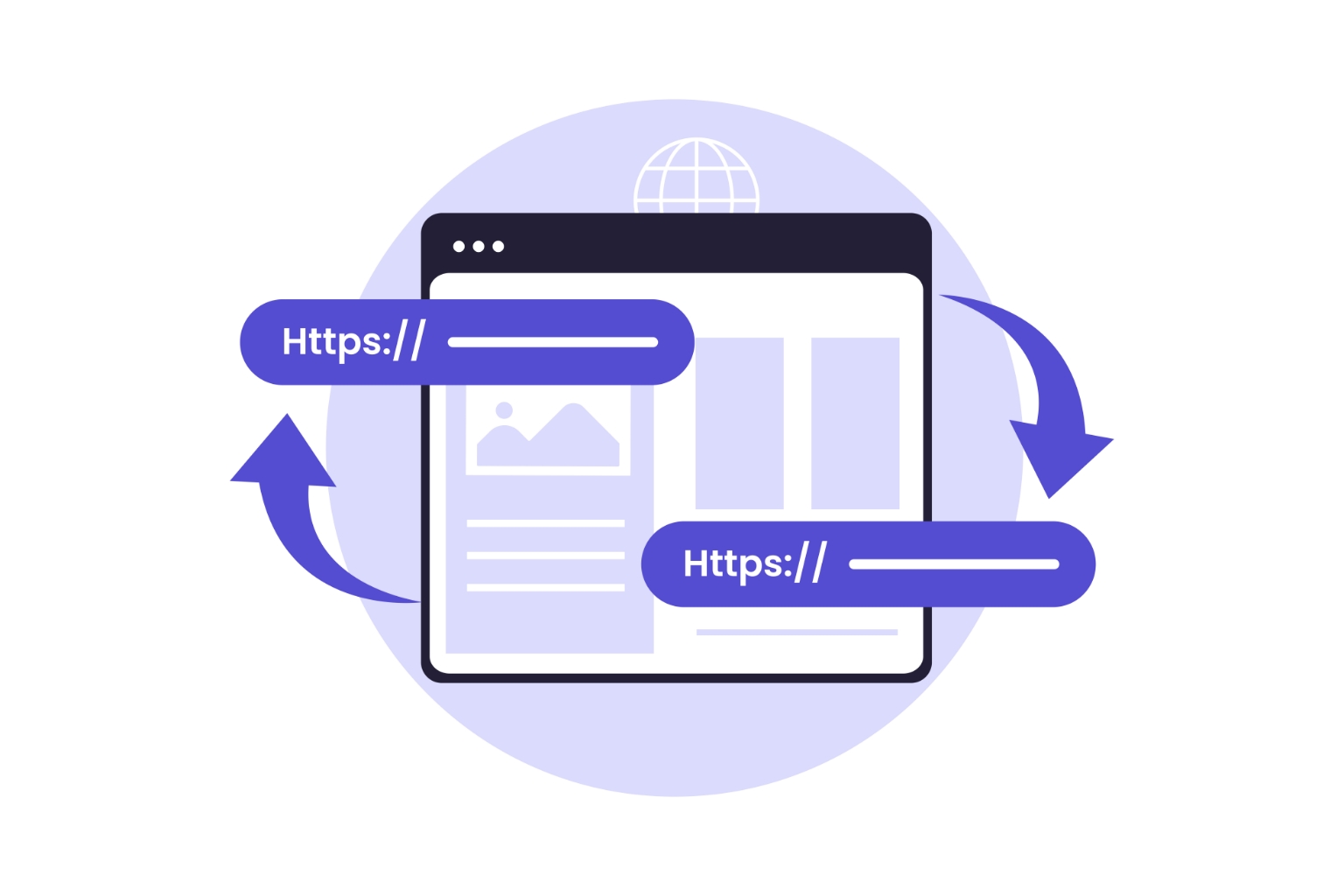 If you are wondering whether SEO is really important for your website migration, the answer is yes. Significant changes to your website can affect how search engines crawl, understand, and index your pages. Without proper SEO planning, these changes can lead to fluctuations in rankings, organic traffic, and visibility.
If you migrate without SEO, here are the risks:
If you are wondering whether SEO is really important for your website migration, the answer is yes. Significant changes to your website can affect how search engines crawl, understand, and index your pages. Without proper SEO planning, these changes can lead to fluctuations in rankings, organic traffic, and visibility.
If you migrate without SEO, here are the risks:
- You can lose the rankings and visibility you’ve worked hard to build
- Your organic traffic, enquiries, and leads can take a hit
- Broken URLs can result in 404 errors
- If redirects are not set up properly, valuable backlink and SEO signals may not be transferred effectively
- Important pages may disappear from Google’s search results
- Recovering lost organic visibility can take significant time and effort
On the other hand, if you bring SEO into the migration, here are the benefits.
Key Benefits of SEO Migration
- Your rankings, traffic, and search visibility are better protected throughout the migration
- Visitors and search engines are directed to the right pages without confusion
- Your existing backlinks and SEO value can be carried over through the appropriate redirects
- Technical SEO issues can be identified and fixed during the migration rather than after launch
- Your website can experience minimal disruption to its search performance
- Your website can have a stronger SEO foundation to grow from
- You can reduce the risk of relying on paid channels to compensate for avoidable organic traffic losses
If done right, a migration is not just about protecting what you already have. It’s also an opportunity to fix long-standing SEO issues and improve your website’s search performance.
Our Website Migration SEO Services
So when exactly should you start thinking about SEO migration? Ideally, the moment you know a significant change is coming to your website. That’s the right time to bring SEO into the conversation, not after the new site is already live.
Here are the different scenarios where we help businesses with SEO migration.

Domain SEO Migration
Rebranding, or simply moving from www.abc.com to www.xyz.com? Either way, changing your domain is a significant move, and it needs to be handled carefully.
Every important page on your old domain should be mapped to its appropriate destination on the new domain, with relevant redirects implemented. Missing an important page or redirecting it incorrectly can result in the loss of rankings, traffic, and other SEO signals built up over time.
We make sure important redirects, internal links, canonical tags, sitemaps, analytics tracking, and other SEO signals are appropriately configured for your new domain.
Website Redesign SEO Migration
A website redesign changes more than just how your site looks. Your heading structure, content, internal links, page titles, templates, and other elements can all change along the way. Making too many changes at once can affect your rankings and organic performance.
That’s why our SEO team gets involved from the design stage itself. We help you build a new website that looks better while preserving the search performance your existing site has already built.
URL Structure SEO Migration
Switching platforms often means changing your URL structure too, since different platforms organize URLs in different ways.
For example:
Before: yourwebsite.com/product
After:yourwebsite.com/shop/category/product
Some changes may be necessary, but we avoid making changes simply for the sake of it. Unnecessary URL changes can increase migration complexity and require search engines to recrawl and reassess the affected pages and their associated signals.
CMS SEO Migration
Moving from an old system to WordPress, Shopify, or another platform? This is one of the most common reasons businesses need SEO migration support, and one of the trickiest to get right.
Every platform comes with its own way of handling URLs, page templates, metadata, canonical tags, structured data, and other technical elements. Those settings may not always match what was working on your existing website.
We make sure the move to your new CMS or platform does not undo the SEO work that has already been done.
eCommerce SEO Migration
Your product and category pages are often some of your biggest sources of organic traffic and revenue. That makes an eCommerce migration something you cannot afford to get wrong.
Whether you are changing platforms or rebuilding your online store, we make sure your product pages, categories, filters, and other important pages are properly handled so their rankings and link equity are protected throughout the move.
HTTP to HTTPS SEO Migration
Moving your website from HTTP to HTTPS is important for both security and SEO. However, the transition needs to be handled carefully to avoid losing traffic or rankings.
We make sure visitors and search engines are directed from your old HTTP pages to the correct HTTPS versions. We also update important SEO settings, including canonical tags, internal links, and sitemaps, so search engines can clearly understand that your HTTPS pages are the new versions of your website.
This helps ensure your website remains accessible, secure, and properly understood by search engines after the move.
Website Consolidation Migration
Acquired another brand, or looking to bring several websites under one roof? Combining multiple websites involves more than simply moving their content onto one domain.
You need to decide which content should stay, which pages should redirect to a new location, and how to bring the SEO strength of each website together without creating unnecessary competition between similar pages.
We help you consolidate your websites while preserving as much of their existing search visibility and authority as possible.
Website Split Migration
You may want to create a separate website for one of your brands, products, or services while keeping your main business website unchanged.
A carefully planned migration helps each website have a clear purpose and ensures that important pages, links, and search visibility are properly managed during the move.
We plan and manage the migration carefully to help both websites maintain their existing search visibility and provide a smooth experience for users and search engines.
International SEO Migration
Launching country-specific versions of your website or adding new languages can open up new markets, but the migration needs to be set up correctly.
We use appropriate URL structures, localized content, canonical tags, and hreflang tags to help search engines understand which language or regional version of each page should be shown to the appropriate audience.
This helps reduce the risk of regional or language versions competing unnecessarily in search results and makes it easier for search engines to understand the relationship between your localized pages.
SEO Migration Recovery
Did your rankings or organic traffic drop after a website migration? Technical issues during the migration may be affecting your search performance.
Our SEO team can review your migration, identify issues such as broken redirects, indexing problems, missing pages, or incorrect SEO settings, and recommend the right fixes to help recover your search visibility.
You don’t necessarily need to migrate your website again. We can identify what went wrong and help you fix the issues on your existing website.
Subdomain and Subfolder Migration
Moving content from a subdomain to your main domain, or from your main domain to a subdomain, needs careful planning to avoid losing search visibility.
We make sure the move is properly managed by setting up the necessary redirects, updating internal links, and checking other important SEO settings. This helps search engines understand where your content has moved and ensures users can reach the right pages.
Our goal is to make the transition as smooth as possible while protecting your website’s search visibility.
Our Website SEO Migration Process
We've been doing SEO site migrations for a long time, and we know it's a coordinated effort with the web development team that should start several months before the migration itself.Whether our web development team is handling the migration or yours is doing it, at GMI we follow the same process: a three-step approach.
 Pre-Migration
 Pre-Migration
This is where most of the planning and preparation happens, with the goal of identifying and addressing potential SEO issues before launch.
SEO Audit & Migration Assessment
We start with a full SEO audit of your site:
1. Checking website traffic, keyword rankings, indexed pages, backlinks, and other important SEO metrics using Google Search Console, Google Analytics, and third-party SEO tools such as Ahrefs, Semrush, Screaming Frog, etc.
2. Documenting important URLs, title tags, and canonical tags, so we know what needs to carry over
3. Identifying which pages rank for important keywords, so valuable search visibility is considered when content or page structures change
Migration Strategy & URL Mapping
We build out the full SEO migration roadmap:
1. Mapping every important old URL to its appropriate new page in a clear document
2. Testing redirects on staging, well before launch day
3. Avoiding unnecessary URL changes, because changing URLs can increase migration complexity and require search engines to recrawl and reassess the affected pages
Technical SEO Configuration
We handle the technical groundwork:
1. Checking that changes to your site's navigation and structure make it easier for users and search engines to access important content
2. If content is being changed or removed, plan those changes around pages that already perform well, so valuable content and search visibility are not lost unnecessarily
3. Making sure structured data is carried over and implemented correctly
4. Double-checking your robots.txt and noindex settings, especially anything left over from staging, so important pages are not accidentally blocked from search engines
5. Benchmarking your page speed so we can compare performance before and after the migration
Staging Website Review
Before anything goes live, we crawl your staging site and check for redirect, canonical, indexing, and other technical SEO issues. It is much easier to fix these issues now than after launch.
During Migration (Launch Day)
 During Migration (Launch Day)
This is the moment when all that planning is put to the test. We stay hands-on from the moment your site goes live.
Migration Launch & Validation
We stay on top of everything the moment your new site goes live:
1. We check redirects, indexing, canonical tags, analytics, and 404 errors
2. If anything's broken, we alert the web development team right away
3. If it's a new domain, we set up and verify the appropriate Google Search Console property
4. We submit and validate the new sitemap so Google can discover the new URLs
Post-Migration
 Post-Migration
Our SEO activities don't stop once the site's live. We keep a close eye on your rankings, traffic, indexing, and technical performance in the weeks after launch.
Post-Migration Monitoring & Optimization
We keep monitoring and fine-tuning after launch:
1. We track rankings and traffic for your priority pages against the benchmarks established before the migration.
2. We check metadata, structured data, page speed, internal links, redirects, and other important SEO elements after launch.
3. We recrawl your website, starting with your highest-traffic and most important pages, to identify any errors.
4. We check canonical tags and resubmit the sitemap to help search engines discover and understand your pages.
5. We review and improve content that changed during the migration to ensure it continues to meet user needs and support organic performance.
Why Choose GMI for SEO Website Migration Services?
Global Media Insight (GMI) is a digital marketing company in Dubai with 26+ years of experience. We have a strong team of over 30 SEO specialists and 40 web developers, and we’ve successfully worked on dozens of website migrations.
- Full-service SEO website migration: As a full-service digital marketing agency, we can handle the entire migration, providing complete web design, web development, SEO, and secure web hosting services.
- SEO migration support for your development team: Our SEO specialists can work alongside your developers and designers to take care of the SEO side of the migration.
- Strategic SEO migration consulting: If you already have an in-house SEO team and web development team but need specialised guidance from experienced SEO professionals, we offer that as well.
We've worked on SEO migrations across WordPress, Drupal, Magento, Shopify, and several other CMS and eCommerce platforms. So whatever platform you're moving from or to, we can provide the technical and SEO migration support you need.
We've handled migrations for leading insurance companies, top universities, eCommerce businesses, and organizations across different industries. This experience helps us understand the unique SEO considerations involved in migrating different types of websites.
What We Protect During SEO Migration
 At GMI, we manage migrations methodically so that important SEO signals and website functionality are preserved throughout the process. Here’s what we focus on during your SEO migration:
- Rankings
- Organic Traffic
- Backlinks
- Indexed Pages
- Internal Links
- Structured Data
- Conversion Tracking
- User Experience
SEO Website Migration Case Study
A leading insurance company in the Middle East wanted to completely revamp its website while protecting its existing organic search performance.
The Challenge
The client’s website had several issues that needed to be addressed as part of the migration:
- The website had too many pages, making it difficult for users to find what they were looking for.
- Important pages were buried several levels deep in the website structure.
- Page speed was poor and the website design was outdated.
- The homepage did not give enough prominence to the company’s insurance products.
- The existing content needed to be refreshed and made more focused.
- Analytics event tracking and tag implementation were not properly set up, with inconsistent naming conventions and a poor overall structure.
The planned project involved a complete website revamp, including website redesign, site restructuring, URL restructuring, and content rewriting etc.
Our SEO Migration Approach
GMI worked alongside the client’s development and design teams from the beginning of the project.
We followed our SEO migration process, covering:
- Pre-migration SEO audit and assessment
- URL mapping and migration planning
- Website structure and URL recommendations
- Content recommendations and rewriting guidelines
- Staging website review
- Technical SEO checks before launch
- Migration launch and validation
- Post-migration monitoring and optimisation
The goal was not simply to move the website to a new structure but to use the migration as an opportunity to improve its search performance.
The Result
Before the migration, the site was getting around 56,000 organic visits a month. The migration took place in March and April.
In May, organic traffic dropped to around 52,214 visits.
Some fluctuation in organic traffic can be expected when a large website undergoes significant changes.
Because SEO was integrated into the migration process from the beginning, the initial decline was relatively limited in this case.
From there, traffic recovered and continued growing:
- June: 61,040 organic visits
- July: 63,816 organic visits
Comparing the pre-migration monthly average of around 56,000 visits to July’s numbers, organic traffic grew by roughly 14%.
The migration also improved the website’s visibility for the client’s priority keywords, such as comprehensive car insurance, health insurance, and buy car insurance online.
Overall, this migration not only helped protect the client’s existing organic performance but also created an opportunity to improve it.

Performance You Can Trust
Years of
Experience
SEO
Clients
Dedicated In-house
SEO Specialists
Global
Locations
Brand
Likes
Trusted by over 1000+ companies around the world


Developed multi-brand FMCG website with rich content and recipes.


Presented brand vision through visual storytelling.


Enhanced site functionality with dynamic search and key information, ensuring smooth operation of airline’s official website.

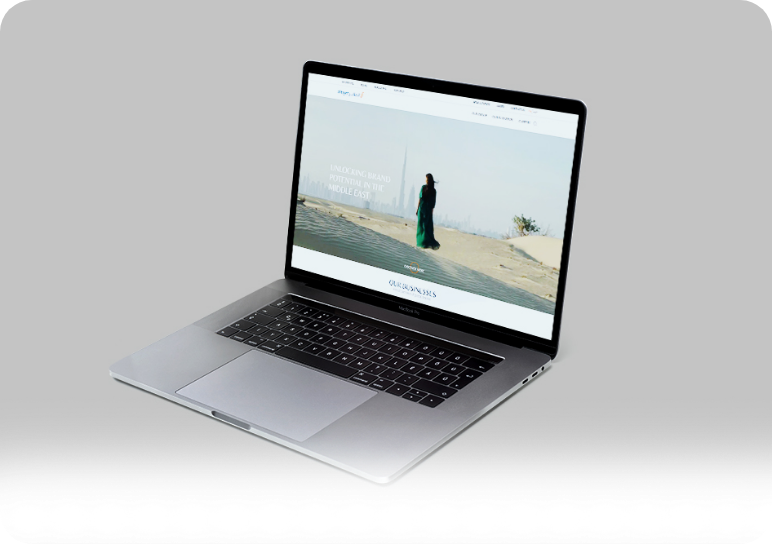
Showcased company strengths with striking visuals and clear messaging.


Improved user interaction with helpful tools and social features.


Designed engaging interface with layered visuals and responsive elements.
Developed thematic design with interactive visuals and easy connection forms.


Added dynamic visuals and interactive elements reflecting brand style.


Incorporated videos, interactive pop-ups, and user-friendly forms.
FAQ
SEO migration is the process of applying SEO best practices when making significant changes to a website, such as a redesign, CMS migration, domain change, or URL restructuring.
SEO is important during a website migration because it helps protect the search visibility, rankings, traffic, and other SEO signals you’ve spent years building.
Yes. Website migrations can cause ranking and traffic fluctuations, particularly when URLs, content, site structure, or technical SEO elements change. Proper SEO planning and validation can help minimize the impact.
We support domain migrations, website redesigns, CMS migrations, eCommerce migrations, URL structure changes, HTTP to HTTPS migrations, subdomain-to-subfolder migrations, multilingual and international migrations, website consolidations, site splitting, PWA and SPA migrations, and recovery for migrations that have already gone wrong.
Yes. Our team has hands-on experience across major CMS and eCommerce platforms, including WordPress, Shopify, Drupal, Magento, Joomla, and custom-built websites.
We conduct detailed SEO audits, map important URLs to their new destinations, validate the technical SEO setup, test the migration before launch, and monitor the website closely after launch.
URL mapping is the process of matching your old URLs to their appropriate new destinations and setting up the right redirects, so search engines and visitors can reach the correct pages after migration.
Yes, but URL changes should be carefully planned and supported by appropriate redirects and technical SEO implementation. Unnecessary URL changes can increase migration complexity, so we keep them to the minimum required.
It depends on your website’s size, complexity, number of URLs, CMS platform, and technical requirements. A small site might take a few weeks, while a large enterprise site can take several months.
Not if they are set up correctly. We make sure your analytics tracking continues without gaps and configure the appropriate Search Console properties for the migration type.
It depends on your website’s size, migration type, number of URLs, CMS platform, and technical complexity. Contact our team to get a quote for your project.
As early as the planning phase, ideally. Bringing us in before the new site is built means we can audit your current site and establish SEO best practices from the start, rather than fixing issues after launch.
Yes. We can audit what went wrong, identify broken redirects and technical issues, and work to recover lost rankings and organic traffic.
Yes. We provide clear before-and-after data so you can assess how your website is performing against its pre-migration benchmarks.
Looking for a better digital marketing solution to accelerate your business growth?
Enquire Now


Enquire Now


